
Unleashed Potential’s Top 20 Books

-
“Endurance: Shackleton's Incredible Voyage” by Alfred Lansing recounts Sir Ernest Shackleton's harrowing Antarctic expedition, where his leadership was tested under extreme adversity. Shackleton demonstrated unwavering resolve, adaptability, and compassion, consistently prioritizing the safety and well-being of his crew despite overwhelming challenges. His transparent communication, ability to inspire hope, and willingness to make tough decisions fostered trust and unity among the men. The book highlights that true leadership emerges in times of crisis, relying on empathy, resilience, and an unyielding commitment to the team's survival. Shackleton’s example serves as a timeless lesson in leading with courage and humanity when facing the unknown.
-
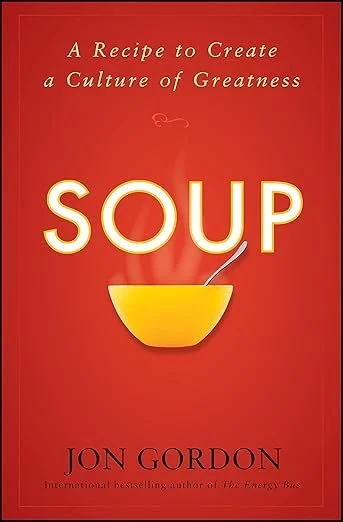
“Soup” by Jon Gordon uses a compelling storytelling approach to teach practical leadership principles centered around building a positive team culture. Through the narrative of a struggling soup company, Gordon illustrates how leaders can inspire others by fostering trust, communication, and genuine care. The book emphasizes the importance of serving others, motivating teams with encouragement, and leading by example, rather than by authority alone. Gordon’s story-driven style makes the lessons relatable and actionable, showing that true leadership is about creating an environment where people feel valued and empowered to contribute to a shared vision.
-
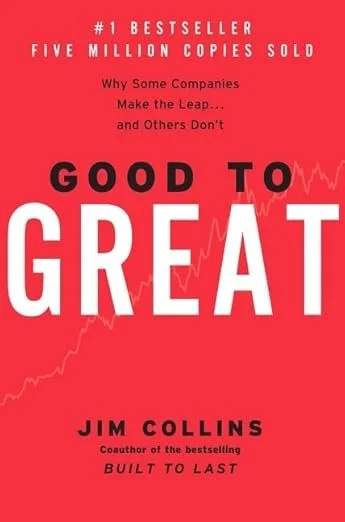
“Good to Great” by Jim Collins explores how companies can make the leap from being merely good to truly great by adopting disciplined leadership and strategic focus. The book introduces the concept of Level 5 Leadership, where humility and professional will drive sustained success. Collins highlights the importance of getting the right people on the bus, confronting brutal facts, and maintaining a culture of discipline. The Hedgehog Concept, which encourages leaders to focus on what they can be best at, is central to achieving greatness. Ultimately, the book emphasizes that great companies build momentum through consistent, focused actions rather than dramatic transformations. An excellent follow-up book is Collins “How the Mighty Fall”, which explains how the Great companies from his book fell after abandoning the key principles and priorities.

-
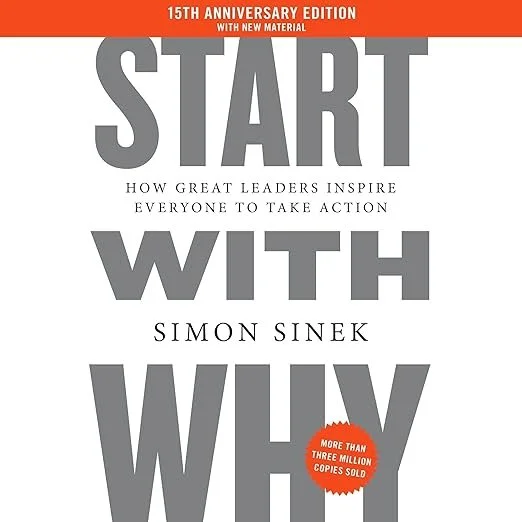
“Start with Why” by Simon Sinek explores the idea that great leaders and organizations inspire action by clearly communicating their purpose—their “why.” Sinek argues that successful leadership begins with a deep understanding of why an organization exists, which drives passion, loyalty, and long-term success. The book encourages leaders to focus on their core beliefs and values to motivate others, rather than relying solely on products or profits. By starting with why, leaders can foster trust, build stronger relationships, and create environments where employees feel connected to a shared mission. This approach ultimately leads to greater innovation, engagement, and organizational growth.
-
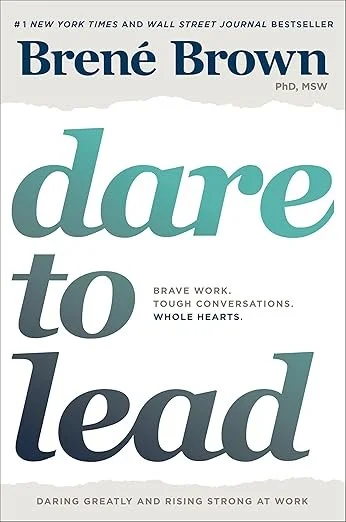
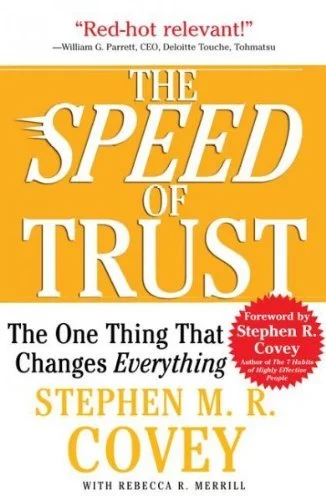
“Dare to Lead” by Brené Brown centers on the idea that courageous leadership is rooted in vulnerability and empathy. Brown emphasizes that effective leaders are those who foster trust by being transparent, showing compassion, and engaging in honest conversations, even when they are difficult. The book highlights the importance of cultivating a culture where individuals feel safe to take risks, ask for help, and express their true selves. Central to Brown’s leadership philosophy is the practice of empathy—leaders must actively listen, seek to understand others’ perspectives, and connect on a human level. “Dare to Lead” provides actionable strategies for building resilient, inclusive teams driven by authenticity and shared values.

-
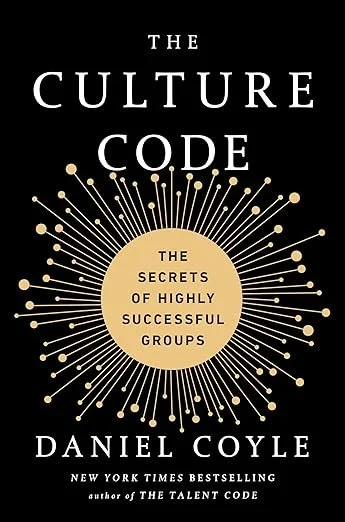
“Beyond the Hammer” by Brian Gottleib is a refreshing and practical read that blends storytelling with good leadership strategies. Focusing on 5 practical “pillars” to focus on in your leadership, the book emphasizes the importance of leading with empathy, integrity, and clear communication. The book argues that true leaders inspire their teams not through authority alone but by fostering trust, accountability, and a culture of continuous learning. Gottlieb highlights the value of authenticity, service, encouraging leaders to be transparent about challenges and to celebrate both individual and collective achievements. This book provides practical and implementable approaches to leading with compassion and accountability.
-
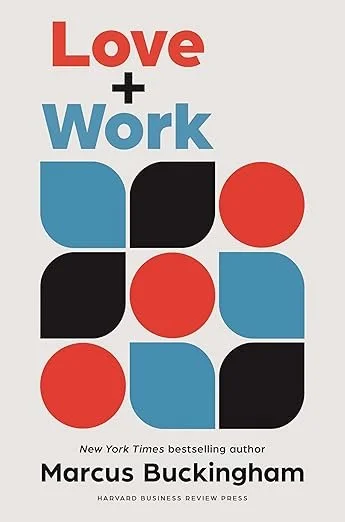
“The Culture Code” by Daniel Coyle explores the essential elements that create successful group cultures, focusing on how leaders can foster trust, collaboration, and belonging. Coyle identifies three key skills for effective leadership: building safety, sharing vulnerability, and establishing purpose. Through engaging stories and actionable insights, the book demonstrates how leaders can nurture environments where people feel connected and empowered to take risks. Coyle emphasizes that a strong culture is built through consistent demonstration of empathy, clear communication, and a shared vision. “The Culture Code” offers practical strategies for leaders to cultivate high-performing, cohesive teams by prioritizing psychological safety and collective purpose.
-
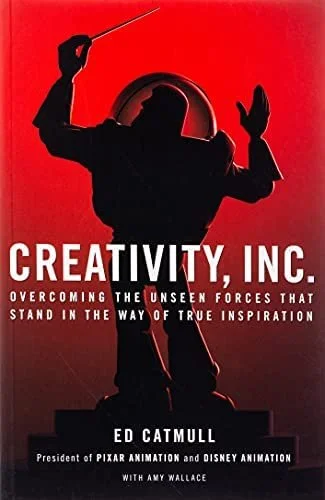
“Creativity, Inc.” by Ed Catmull offers a compelling exploration of leadership within creative organizations, drawing on Catmull’s experience as co-founder of the groundbreaking Pixar, creator of such classic movies as Toy Story, Monsters, Inc. and Cars. The book emphasizes the importance of cultivating an environment where creativity can flourish, highlighting principles such as trusting your team, embracing candor, and learning from failure. Catmull advocates for leaders to protect the creative process by removing barriers, fostering open communication, and encouraging experimentation. He underscores the objective of building a culture that celebrates originality and innovation, while maintaining a commitment to continuous improvement. “Creativity, Inc.” demonstrates that exceptional leadership is essential for unlocking potential and guiding teams toward groundbreaking achievements in creativity and innovation.
-
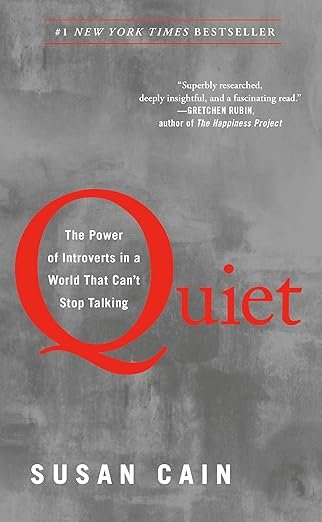
“Quiet” by Susan Cain explores the undervalued power of introverts in leadership and workplace environments. The book argues that introverts possess unique strengths, such as deep listening, thoughtful decision-making, and the ability to foster collaboration without dominating conversations. Cain emphasizes the importance of creating spaces where introverts can thrive, advocating for leadership styles that prioritize reflection, empathy, and meaningful connections. She encourages organizations to recognize and leverage the quiet influence of introverted leaders, showing that success does not require constant boldness or extroversion. Ultimately, the book aims to shift perceptions, demonstrating that introverts can be highly effective, authentic leaders who drive innovation and positive change.
Follow Us on Social Media!



Search for Unleashed Potential Consulting on LinkedIn, Facebook, and Instagram!
Listen up, we have a podcast.
The Natural Leader podcast focuses on interviewing leaders from a variety of different backgrounds and learning from their stories and experiences.
The Natural Leader is found on all major podcast streaming platforms.